
妖女迷行
Chinese conservationist explores community-based wildlife protection in Kenya_我的网站

一 | ■プロ野球 日本ハム5ー2阪神 オープン戦 (23日 名護) 阪神は日本ハムに敗れオープン戦初黒星。先発・ラグズデールは2回、四球からピンチを広げ内野ゴロ間で1点を先制される。

二 |
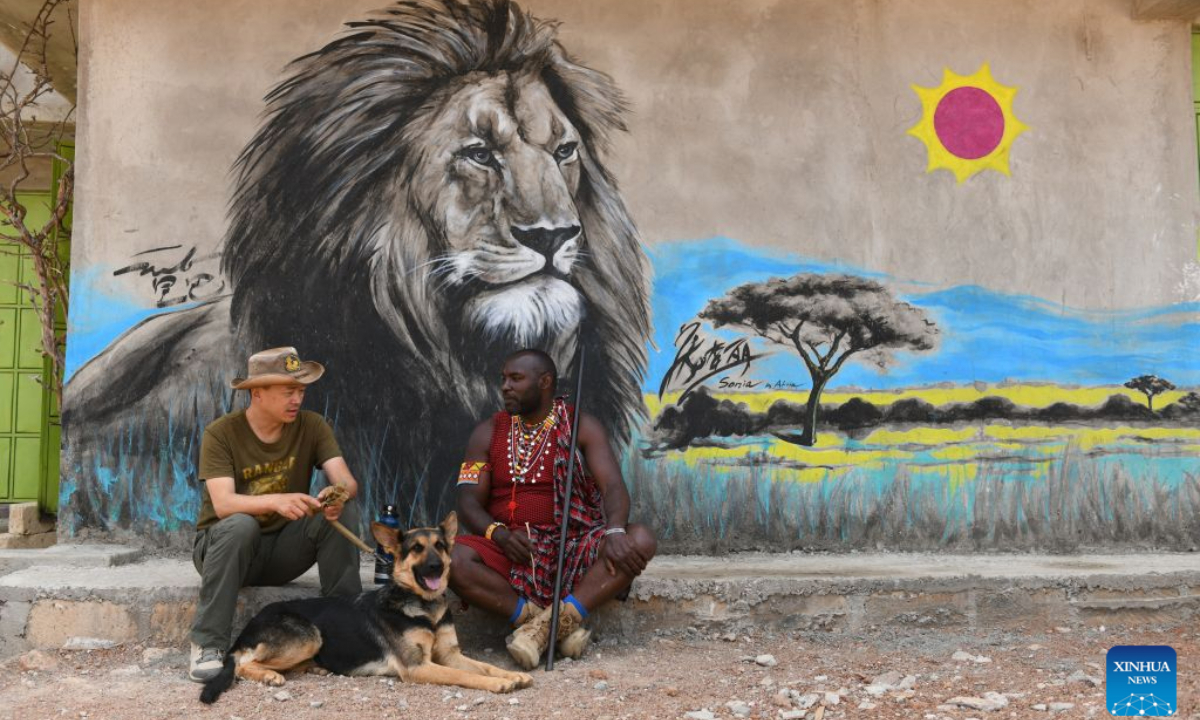
Among them is Chinese conservationist Zhuo Qiang, nicknamed "Simba," the Swahili word for lion. For him, this early-morning routine is driven by a broader mission to achieve human-wildlife coexistence.
In 2010, Zhuo left his job in China at the age of 37 and embarked on a less-traveled path: pursuing wildlife conservation in Kenya.
Without professional training in wildlife conservation, he found himself in a territory then dominated by Western organizations and local practitioners.
But Zhuo decided to stay. "I wanted to prove that Chinese people could also do wildlife conservation," he said.
Initially, Zhuo saw conservation largely through the lens of wildlife science: working in the field, studying animals and collecting data.
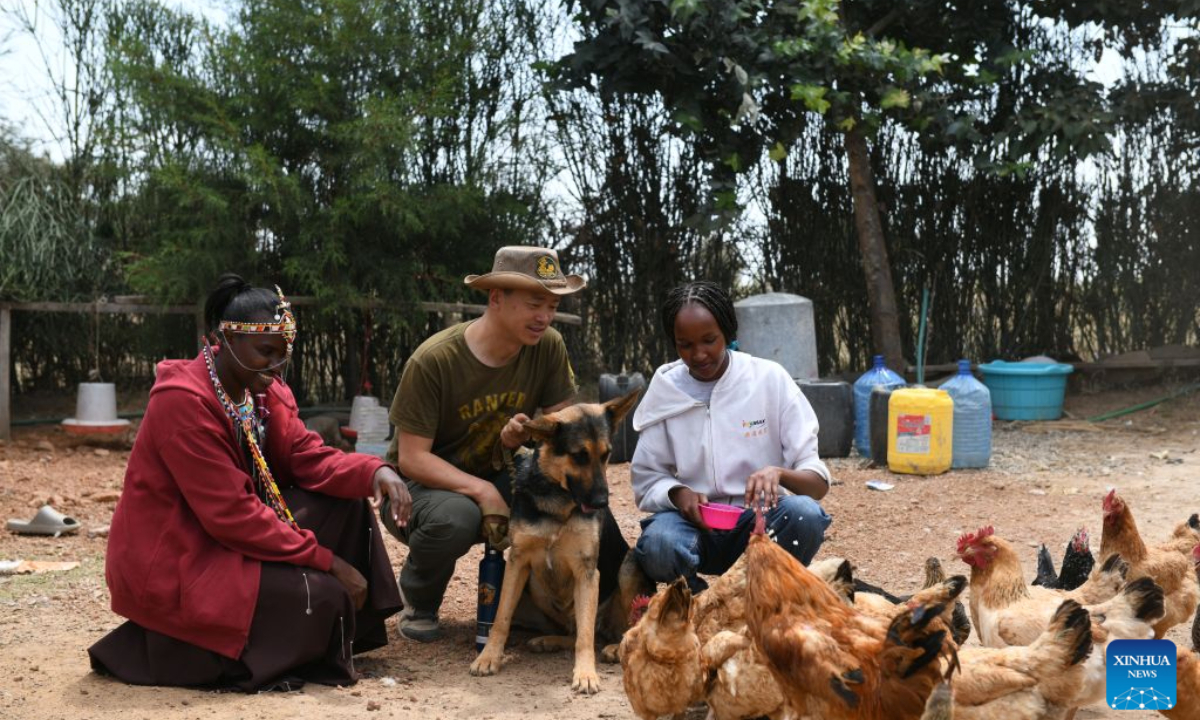
Living and working with Maasai communities changed that perspective. "The fate of wildlife was closely tied to the people sharing the same land," he said.
In the Maasai Mara ecosystem, livestock grazing is deeply connected to the livelihoods of pastoral communities. "If local people are asked to stop grazing but are given no alternative source of income, conservation cannot be sustainable," Zhuo said.
That principle laid the foundation for his work with the local community in establishing the Ol Kinyei Conservancy.
The area had suffered from prolonged overgrazing, with plants and the land itself deteriorating. Under the conservation model, local grazing land was leased and gradually restored, allowing vegetation to recover and creating a more suitable habitat for wildlife, said Zhuo.
Meanwhile, households participating in the scheme receive land-rental income and have access to jobs such as wildlife rangers and tourism workers. Their average annual income has increased from around 500 U.S. dollars to about 3,700 dollars, according to Zhuo.
Some residents from surrounding communities also learned from the experience and brought the approach back to their own grazing areas.
Nowadays, 26 private conservancies have been established around the Maasai Mara National Reserve, covering about 1,600 square km, according to Zhuo.
He believes the network of community conservancies provides additional safe space for wildlife to move and survive, extending conservation efforts beyond the boundaries of a single national reserve and into surrounding communities.
Simon Msago, a Maasai community leader in Ngoswani, said Zhuo's work encouraged more residents to take an active role in conservation.
In the past, many residents saw few direct benefits from wildlife conservation and had limited awareness of its importance. Today, community members are increasingly willing to work as rangers and protect wildlife, creating an effective layer of protection around the conservancies, Msago said.
"Human-wildlife conflict cannot be solved simply through restrictions and prohibitions. The key is to create alternative sources of income so that residents can gain tangible benefits from conservation," Zhuo said.
"That is what makes community-based conservation sustainable -- allowing local people to become part of wildlife conservation rather than bystanders with no stake in it."
While continuing his work in the Maasai Mara, Zhuo has also sought to strengthen exchanges between China and Africa in wildlife conservation.
In recent years, he has visited more than 30 nature reserves and national parks in China, sharing his experiences of community-based conservation in Africa with Chinese counterparts.
"Conservation practices in China and Africa each have their own characteristics, and there is much that the two sides can learn from each other," he added.
。4回には岩貞が西川にソロ、カストロに2ランと被弾。7回には及川が五十幡に適時打を浴びた。前日のヤクルト戦で20安打12得点の打線は5回に敵失、7回に濱田の適時打の6安打2得点に終わった。先攻のスタメンは1番センター・近本、2番セカンド・中野、3番DH・ディベイニー、4番ファースト・大山、5番レフト・前川、6番ショート・小幡、7番ライト・高寺、8番キャッチャー・伏見、9番サード・元山で組んだ。日本ハムの先発・達は昨季は16試合に登板、1完封を含む8勝2敗、防御率2.09。1回、近本が右安打、中野は二ゴロで走者が入れ替わる。

三 | ディベイニーは空振り三振、中野が二盗を決め2死二塁で大山は一飛で先制できず。先発・ラグズデールは長身203センチの新外国人右腕。

四 | 1回、矢澤を中飛、山縣を三ゴロ、レイエスを遊飛とわずか7球で抑える立ち上がり。2回の攻撃は達に前川は見逃し三振、小幡は左飛、高寺は見逃し三振に倒れた。ラグズデールは2回1死から野村に四球、吉田に右安打で一・三塁とするとカストロの三ゴロ間で1点を先制される。ラグズデールは2回を37球、1安打、1四球、2奪三振の1失点。3回の攻撃は達に伏見は投ゴロ、元山は一ゴロ、近本は空振り三振に終わる。3回、2番手・今朝丸は淺間を左飛、矢澤を遊ゴロ、山縣を中飛と9球で退ける。4回の攻撃は達に中野が四球も二盗失敗、ディベイニーは見逃し三振、大山は空振り三振で3人で終わる。今朝丸は4回、レイエスを空振り三振に取り降板。代った岩貞は西川に右翼席にソロ本塁打を放たれ、0ー2に。さらに岩貞は野村に安打、2死後にカストロに左中間席に2ランを叩き込まれ、0ー4になった。

五 | 5回の攻撃は日本ハムの2番手・育成の宮内に1死から小幡が四球、2死後に伏見が右安打に右翼手・矢澤が内野へ悪送球する間に1点を返し、1ー4となる。さらに元山が四球で一・二塁も谷端は二直に打ち取られた。5回、4番手・工藤は2死から山縣に四球も後続を抑える。

六 | 6回の攻撃は日本ハム3番手・島本に濱田は中飛、ディベイニーは左飛、小野寺は左安打も前川は空振り三振に終わる。6回、5番手・モレッタは西川を見逃し三振、野村を右飛、吉田に右安打もカストロを左飛に打ち取った。7回の攻撃で日本ハム4番手・玉井に小幡が四球、高寺が左安打、嶋村が中安打で無死満塁の絶好機に。

七 | 元山は遊直、谷端は空振り三振も濱田は三内安打タイムリーで2ー4とする。なお2死満塁で代打・糸原は一ゴロに倒れた。7回、6番手・及川が先頭・田宮に右安打、濱田が後逸し無死二塁に。淺間の一ゴロで1死三塁から代打・五十幡に中前にタイムリーを弾き替えされ、2ー5となる。8回の攻撃は小野寺、中川、熊谷と出塁できず。8回はドリスが1安打を許すが無失点に抑え、9回の攻撃は代打・西純、嶋村、元山と三者凡退で終了。
Current article:http://g8pz.xiaqingzhuangdaminnan.cyou/list_hh376q/89t2o.html
Published on:13:03:10
- 美国人忧心忡忡:004预计明年下水,11万吨搭载歼-50成全球最强?,兵器志,原创 美国人忧心忡忡:004预计明年下水,11万吨搭载歼-50成全球最强?
- F1荷兰站:维斯塔潘主场谢幕战上墙退赛 诺里斯夺冠两连胜
- 무주군-NH농협카드, '카드형 지역사랑상품권' 서비스 업무협약
- 橙色预警!今晚9点起地铁这些线路停运_影响_台风
- 美团派单不合理,导致无法正常点送达被冤枉扣费
- 以色列内讧加剧,防长总理吵起来了,美国提出,中东国家派兵维和
- 范家乡首届露营节正式启动
- 高品质生活|蔚蓝有约,致敬城市守护者 成都极地海洋公园举办开园16周年公益活动
- 《GTA6》泄露事件后,Discord 称暂未收到 R 星母公司 T2 发出的传票
- 上海月租50元1平米房为摆拍造假 “自媒体”无底线博流量该管管了